
Other Mammals
Four-toed hedgehog
Hedgehog
Classification and scientific name: Atelerix albiventris
Sources checked:
A four-toed hedgehog with protective spines and nocturnal exploration
Hedgehogs include several species; Korean wild hedgehogs and African lines in the pet market are not the same.
Origins and distribution
Sub-Saharan Africa
- Spines
- Nocturnal activity
- Insect prey
- Four-toed hedgehog
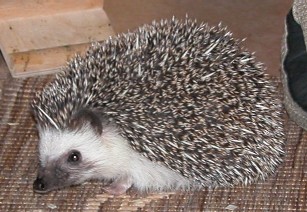
Reference photograph
Reference photograph of a four-toed hedgehog. Compare the photographed individual's color and form with the identification information in the text.
Source: Jkasvi ( talk · contribs ) · Original material · CC BY-SA 3.0
1. Classification, origins and habitat
Hedgehogs include several species; Korean wild hedgehogs and African lines in the pet market are not the same. This page centers on the four-toed hedgehog, Atelerix albiventris. This small mammal inhabits grassy and scrubby areas south of the Sahara, choosing activity sites according to temperature and shelter. Distinguish captive coat colors from wild distribution. Spines do not place it in the same closely related group as rodent porcupines. Taking wild hedgehogs home or releasing captive individuals must not be equated with species conservation or return to nature.
2. Appearance and identification
Back spines are modified hairs, while the face and belly carry soft fur. When threatened, the animal can roll up and conceal soft areas inside. It does not shoot spines; a photograph of raised spines needs interpreting alongside body condition and defensive posture. A pointed snout, small eyes and short legs form a body for finding food close to the ground. Hindfoot toe features associated with the species name help comparison with other hedgehogs, but cannot establish pure ancestry for every pet from photographs alone. White and pale captive colors are not the only wild appearance.
3. Behavior and way of life
Mainly active at night, the animal searches for insects, other small invertebrates and varied foods. It uses smell and hearing to investigate soil and litter and often travels alone. Seeing only a curled-up animal by day can obscure actual nighttime activity and create a mistaken impression of constant quietness. Self-anointing with frothy saliva after responding to unfamiliar smells is known, but its function should not be fixed to one explanation. Curling up may be defensive, rather than an invitation to stroke. Experience with people affects responses, but should not be generalized to wild friendliness.
4. Observation, conservation and care
Assess pet surroundings through nighttime activity, choices to hide and walking space. Even with firm-looking spines, the belly and legs can be injured, so reduce falls and entrapment in gaps. Do not transfer a cat's or another small animal's diet by name alone; check food appropriate to species and health. Deliberately inducing wild seasonal activity changes in pets is inappropriate. Observe outdoor hedgehogs from a distance rather than luring them with food or catching them. Retain the photographic scope as an example of a four-toed hedgehog to reduce confusion with Korean wild species.
Evidence and references
- Animal Diversity Web — Atelerix albiventris
Classification, distribution, appearance, diet and reproductive behavior
- Sardar Patel Zoological Park — Four-toed hedgehog
Four-toed hedgehog classification, habitat and diet