
Pressing a pop-it toy and distinguishing speech sounds are different experiences. Using a toy you press with your fingers does not establish a benefit for reading or brain development. Pick a specific goal, such as feeling a texture, waiting for a turn or listening to sounds.
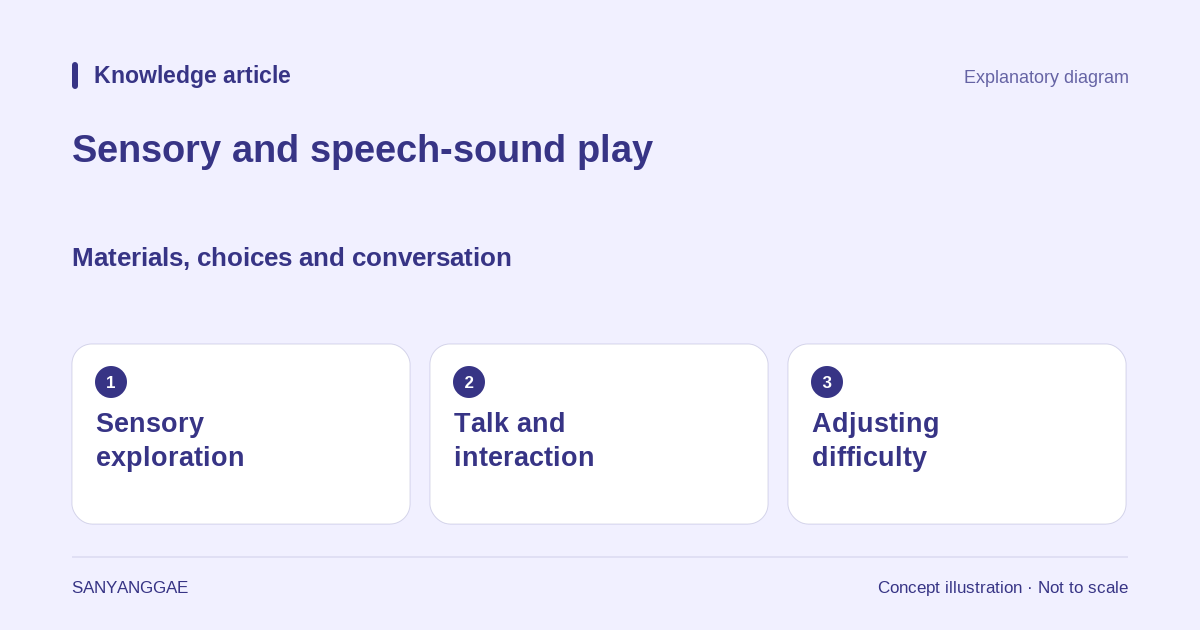
When selecting a toy, imagine what you and the child would actually do. Pressing the toy repeatedly alone differs from taking turns and talking with an adult. Describe tactile sensations, conversation and learning letters separately so the play goal matches the experience. Enjoyment alone is worth observing without adding unverified learning claims.
1. Choosing materials and stimulation
Check for swallowable components, sharp edges and loose decorations based on the child's age and behavior. If they dislike a texture, avoid making them touch it with their hands. Let them explore with a tool or choose another material. Observe what they enjoy and watch for signs of discomfort.
Look at how the product is built. Check whether repeated pressing can tear a part or detach small pieces and how to wash and dry it. A safety label does not remove the need for supervision. If the child starts mouthing or throwing the material, adapt the activity and space. Throwing alone does not indicate that more sensory input is needed. Check the situation first since fatigue, changing interests and difficulty understanding rules can also play a role.
2. Taking turns with speech sounds
Take turns deciding who presses next, or point to colors and exchange short remarks. Speech-sound play can start by listening to repeated sounds and rhymes in a familiar song. Letter–sound teaching should consider the writing system and the child's readiness. English phonics cannot be carried over unchanged to every language.
Repeatedly saying “Say red” offers a different experience from asking, “I'll press here. Which spot do you like?” A gesture can be a turn in the conversation. Respond first to what the child communicates. They do not need to correct or repeat a pronunciation to keep playing. Familiar sounds and words make for enjoyable exchanges. If you have concerns about pronunciation or language development, collect examples of everyday communication to discuss at a consultation, without comparing game performance.
3. What to record after the activity
Note which material the child chose, whether they played alone or asked for help, and how the conversation went. These observations can guide a change next time without claiming a several-fold gain in attention. Consider time with toys and apps alongside meals, sleep and movement.
If you take a photo, a short note about choices and support can be more helpful later than a photo of only the finished work. Two uses of the same material can involve different amounts of solo exploration or ongoing adult direction. A review saying another child sat there for a long time is no reason to extend your child's session. Repetition can indicate comfort or interest, but it does not provide a health baseline. This distinction lets you describe play honestly without having verified a product's educational effect.
4. Offering choices and watching for stop signals
Start by observing which materials the child approaches comfortably, without intensifying sensory input. Offer a few safe objects with different textures, such as dry cloth, large sheets of paper or smooth blocks. Avoid requiring a blindfold or hands in the material from the start. Looking or watching the adult touch it is a valid choice. More touches do not establish that sensory processing difficulties were treated, and this game cannot tell you whether professional treatment is needed.
If a child avoids rough cloth, set it next to smooth cloth and let them choose instead of rubbing it repeatedly and saying they'll get used to it. If they'd like to use tongs, check that the tool is suitable and safe. A withdrawn hand, grimace or departure is a reason to reduce the stimulation. An adult's excited expression does not tell you how the child feels. Consider mouthing and whether supervision is possible, especially with small granules or water. On days when preparation is difficult, large objects are a practical choice.
5. Planning separate pop-it and speech-sound games
When using a pop-it together, pick an observable goal such as taking a turn after the adult. If turns are difficult, shorten the wait and show how the adult takes their hand away. A rule that requires naming the color before taking a turn can add a language burden. If the child enjoys the pressing itself, let that be the activity. Even with the same toy, describe tactile play, taking turns and any letter learning separately.
For speech sounds, join in with the ending sounds of a familiar song or take turns making animal sounds without a toy. Echo a sound the child invents, then allow time for them to change it. This differs from drilling unfamiliar vocabulary. If you introduce letters, specify which writing system and which correspondences you are teaching. Combining Hangul consonant and vowel letters and mapping English spelling to sounds involve different rules. Imitating sounds well in one game does not predict overall reading ability.
6. Comparing two play sessions
Suppose the child leaves early on a day with five materials and long rules. The next day, the adult offers two materials and demonstrates once. If play goes on longer, first record that there were fewer materials and demands, before inferring better attention. Sleep and timing around meals might also affect the outcome. Use the comparison to plan another session. It cannot establish a change in brain function.
Useful notes can cover the materials chosen, type of help, the child's speech or gestures and why play stopped. Use them to decide whether to repeat a favorite routine or add a new material. If taking notes gets in the way, record one scene afterward. If textures or sounds repeatedly cause discomfort across daily life, or if communication concerns persist, take the notes to a professional. The value lies in the child's opportunity to choose and share an experience with others, regardless of the product name or how much they did.