
Cats with varied coats and body forms
This group brings together cat breeds with distinctive appearances, including the amount and texture of hair and the shape of ears, tails and legs. It is not a ranking of rarity or a single biological lineage. Consider the genetic background of these features and health and daily-life needs alongside each breed’s description and actual individual records.
Published animal profiles
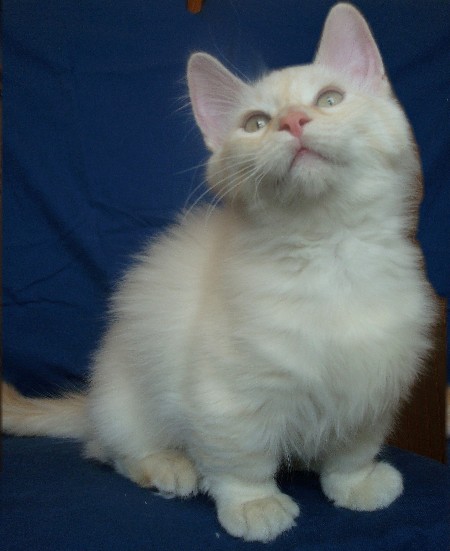
Munchkin
Consider the short-legged appearance alongside needs for movement and daily life. The Munchkin developed in the United States from short-legged traits in domestic cats. Its name relates to small characters in a story; it does not mean the cat is a separate, particularly small species.
Read the guide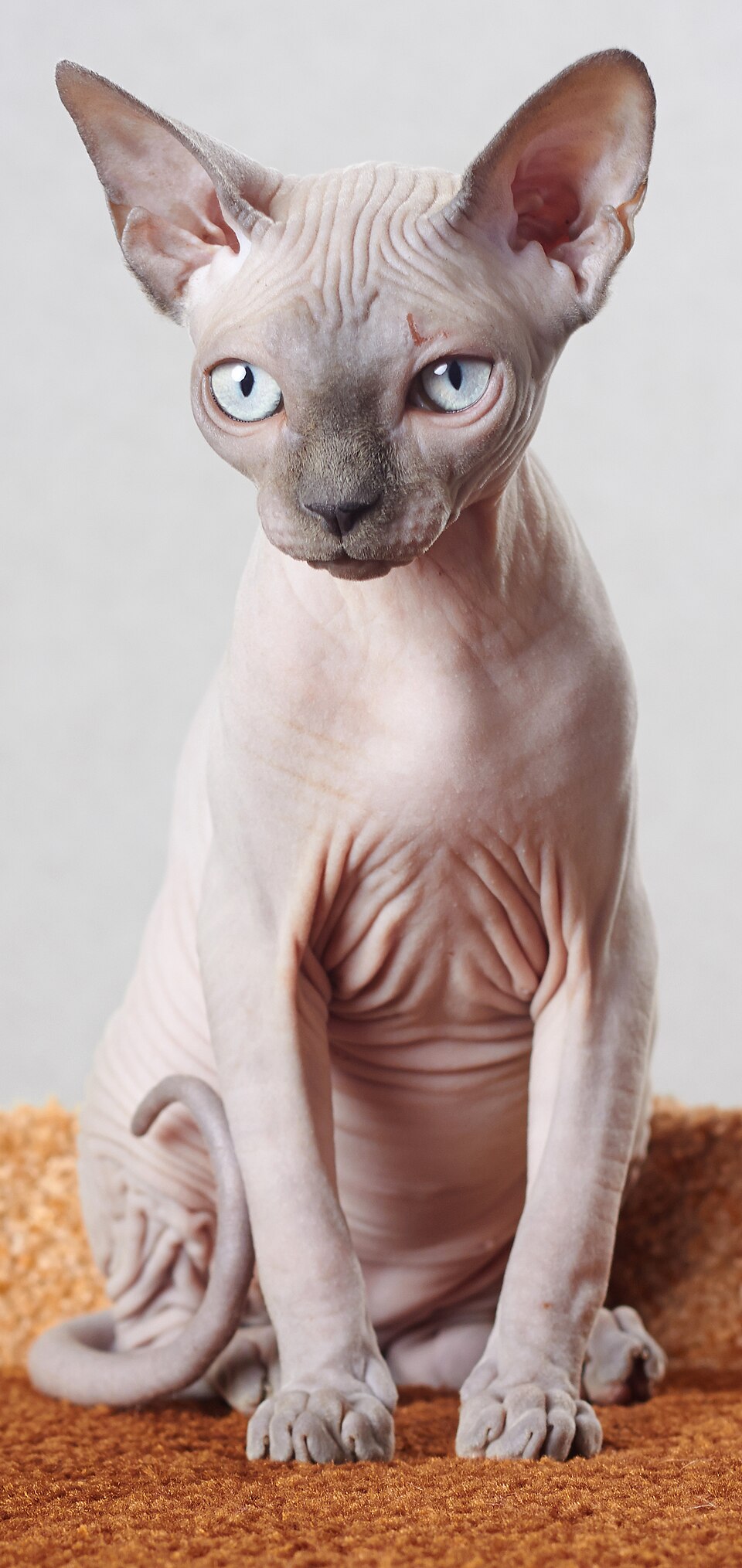
Sphynx
Sparse hair still leaves needs for skin care and temperature choice, and questions about allergies. The Sphynx developed in North America and elsewhere from sparse-haired traits in domestic cats. Although the name evokes resemblance to an Egyptian sculpture, it does not establish an unchanged breed lineage from ancient Egypt.
Read the guide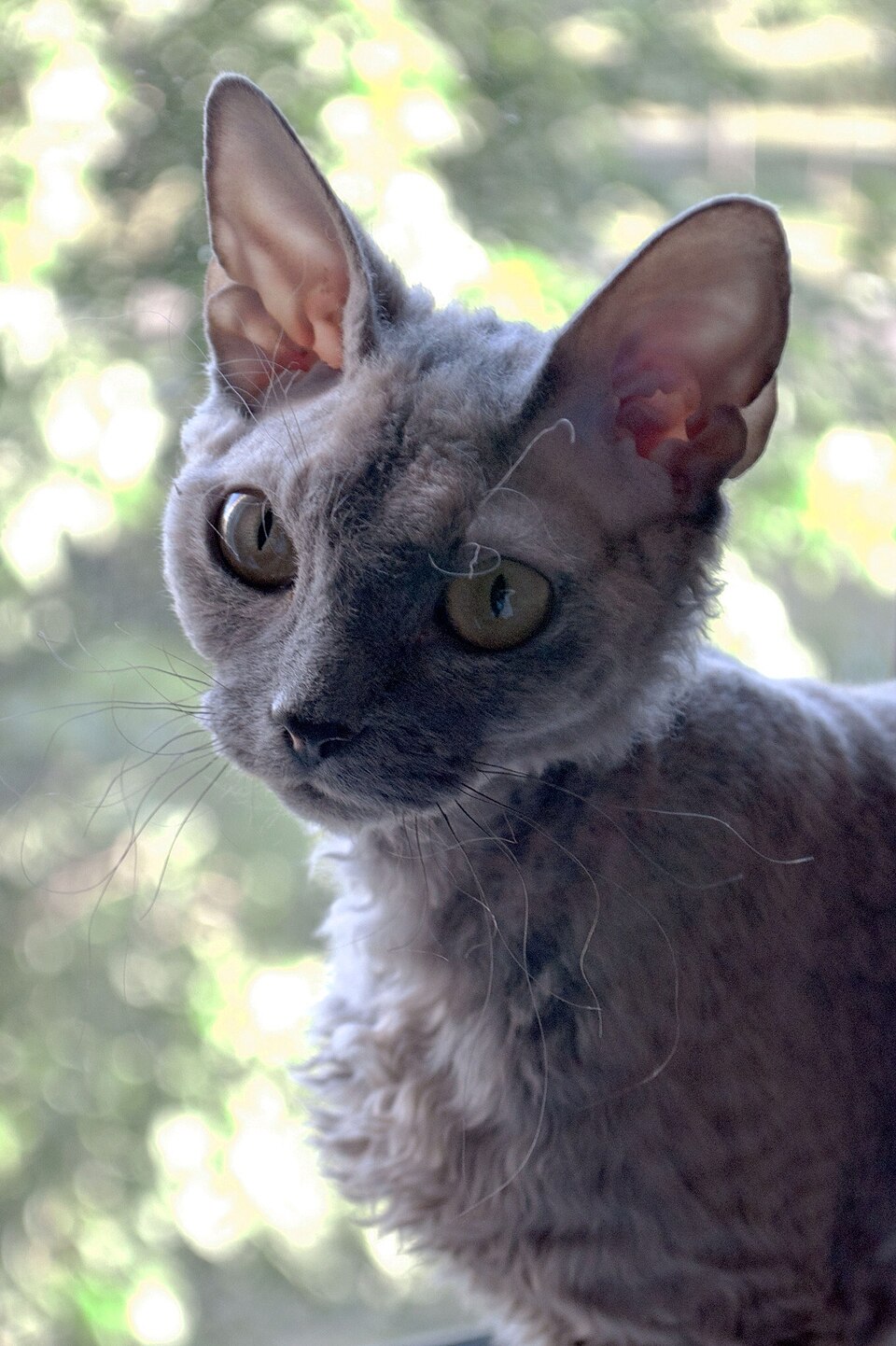
Devon Rex
Large ears and a short curly coat belong to a lineage distinct from the Cornish Rex. The Devon Rex developed from a curly-coat trait found in domestic cats in Devon in the United Kingdom. Despite resembling the Cornish Rex from a nearby region, it is not one breed with the same coat trait under a different name.
Read the guide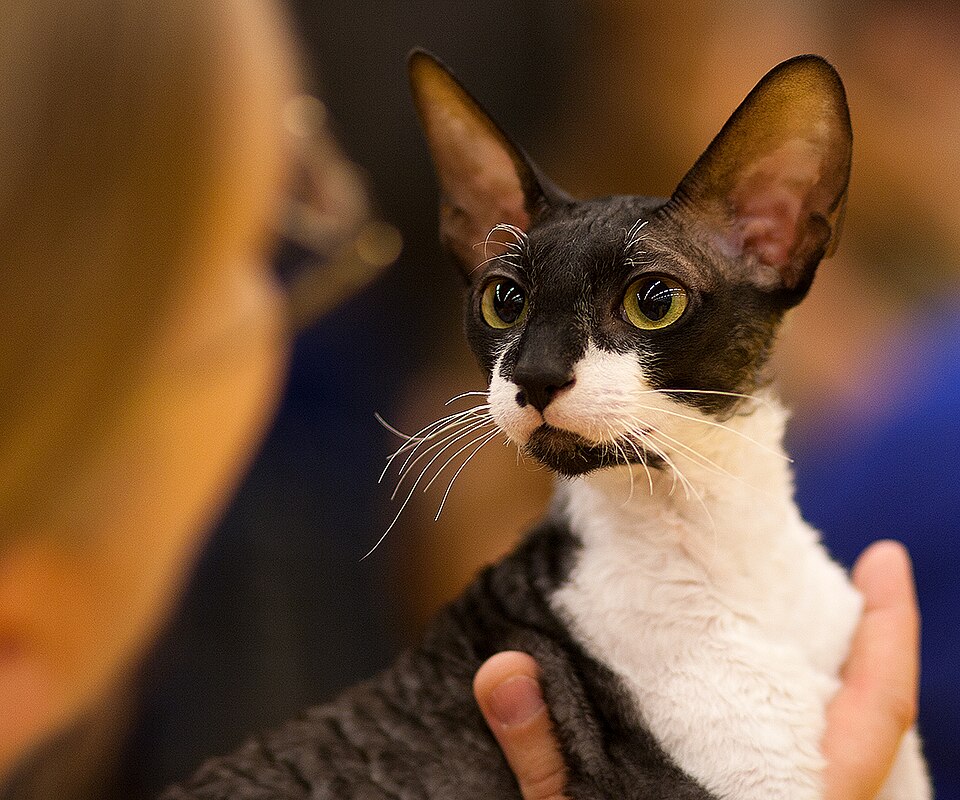
Cornish Rex
Observe the combination of a short rippled coat and a slender body. The Cornish Rex developed from curly-coated domestic cat lines found in Cornwall in the United Kingdom. Although its regional name and coat resemble the Devon Rex’s, the two have separate genetic backgrounds and breed standards.
Read the guide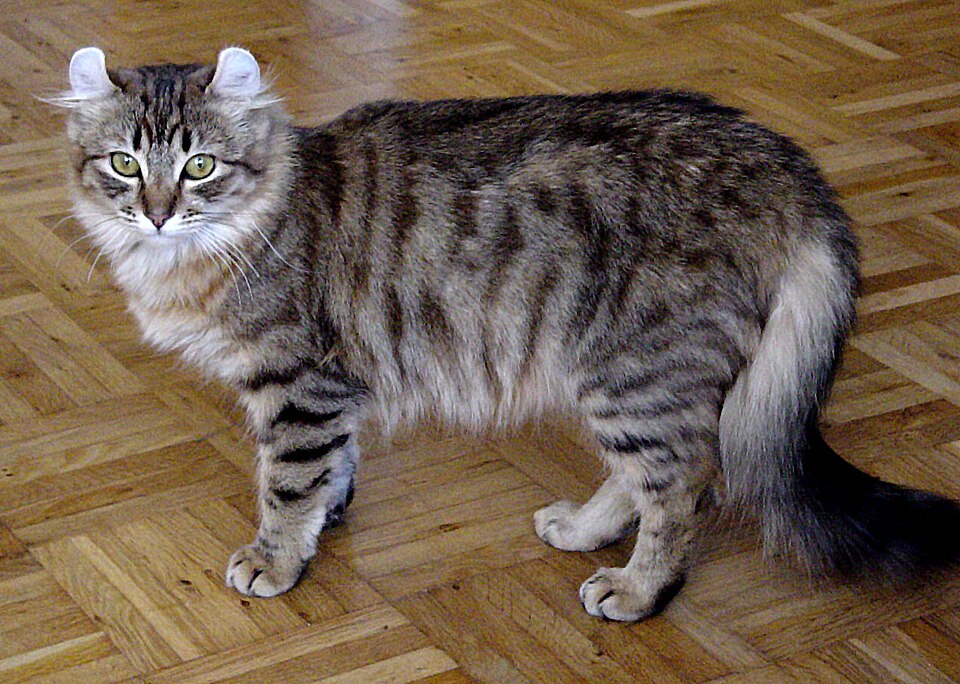
American Curl
Distinguish backward-curled ear tips from folded ears. The American Curl developed from domestic cat lines with backward-curving ears found in California in the United States. Curl in the name relates to the ear tips’ curve, a different feature from the curly coats of Rex breeds.
Read the guide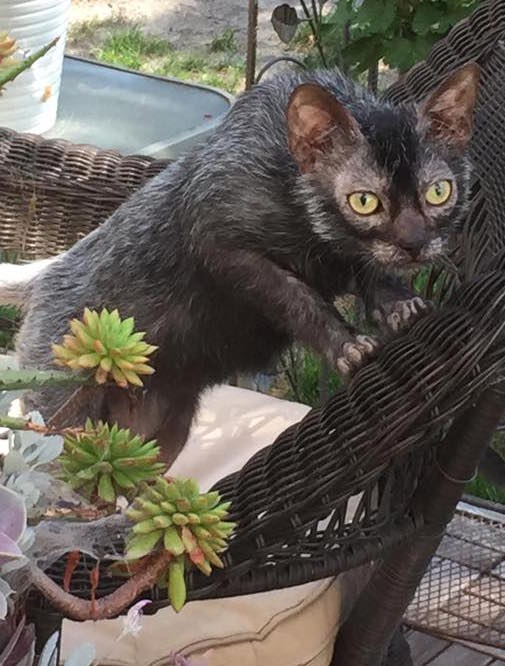
Lykoi
Distinguish the werewolf nickname from an actual domestic cat’s skin and coat structure. The Lykoi was studied and developed from an unusual coat trait appearing in non-pedigree domestic cats in the United States. Despite the werewolf-cat nickname, it is not a cross with wolves or another wild species.
Read the guide