
Amphibians
Amphiuma
Amphiuma
Classification and scientific name: Amphiuma means
Sources checked:
Four tiny limbs on a long body: the two-toed amphiuma is the representative
Amphiumas are elongated aquatic salamanders; this page distinguishes Amphiuma means from other species.
Origins and distribution
Southeastern United States
- Amphiuma means
- Southeastern United States
- Observing species-specific ecology
Reference photograph
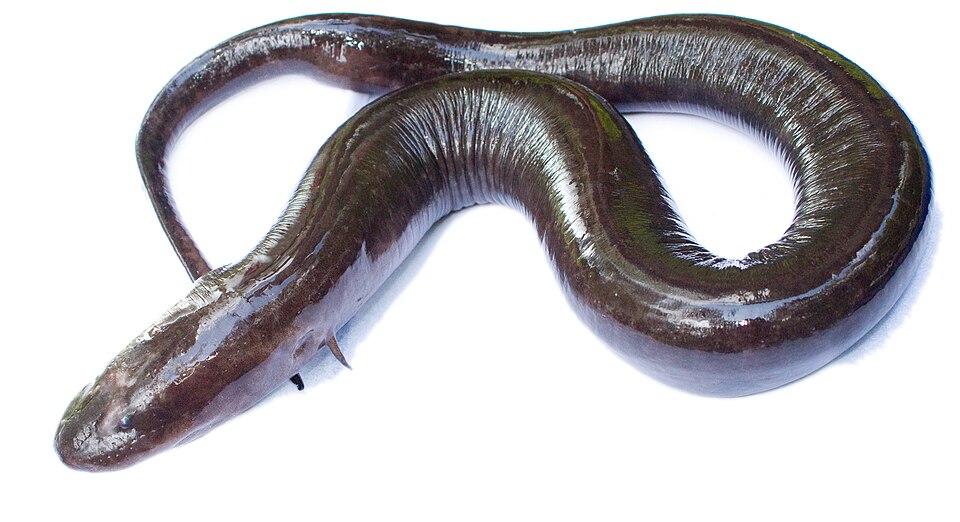
Reference photograph of an amphiuma. Compare its colours and form with the identification details in the text.
Source: Brian Gratwicke · Original material: Amphiuma_(two-toed).jpg · CC BY 2.0
1. Classification, origins and habitat
Amphiumas are aquatic salamanders with very long bodies. This page describes the two-toed amphiuma, distinguishing other Amphiuma species.
It covers Amphiuma means of the southeastern United States. Species within the genus differ in toe count and range, so one account should not apply to all. Regional eel or snake nicknames do not make it a fish or reptile; establish its caudate amphibian identity first.
2. Appearance and identification
An eel-like elongated body retains four extremely small limbs. This differs from fish fins and wholly limbless snakes.
Looking for four tiny legs on the long dark body helps distinguish it from sirens. Two-toed refers to toes on each foot rather than two legs. Head-to-tail proportions and gill differences between adults and larvae also matter. Small limbs can disappear in murky photographs, making scientific labels useful alongside visible traits.
3. Behavior and way of life
Amphiumas catch small aquatic animals and use bottom cover. Adults and larvae differ in respiratory structures and appearance.
They use small animals underwater and shelter in bottom crevices. Ground movement, breathing and dry-period responses cannot be fully explained by aquatic alone. A long body does not justify assuming snake-like constriction. The large mouth and feeding responses mean that fingers should not be moved nearby like prey.
4. Observation, conservation and care
Slow waters such as swamps and channels and bottom shelters matter. Explain the amphibian life cycle and classification despite resemblance to an eel.
Consider swamps, channels, slow-water bottom structure and moisture together. Aquatic adults do not make every developmental stage and breeding space identical to fish. Do not stretch the body or pull tiny legs for photographs. Distinguish this representative from one-toed and three-toed amphiumas, checking source names first if toes are not visible.
Evidence and references
- Animal Diversity Web — University of Michigan — Amphiuma means
Classification, origin, appearance and ecology
- American Museum of Natural History — Amphiuma means
Current scientific names, synonyms, natural distribution and taxonomic research