
Dairy Cattle Breeds
Compare domestic cattle breeds selected for milk production and milk composition. Lactating cows, bulls and calves differ in build and living requirements, while milk yield and composition are affected by production stage, food and health. Dairy use does not guarantee that every individual is docile.
Published animal profiles
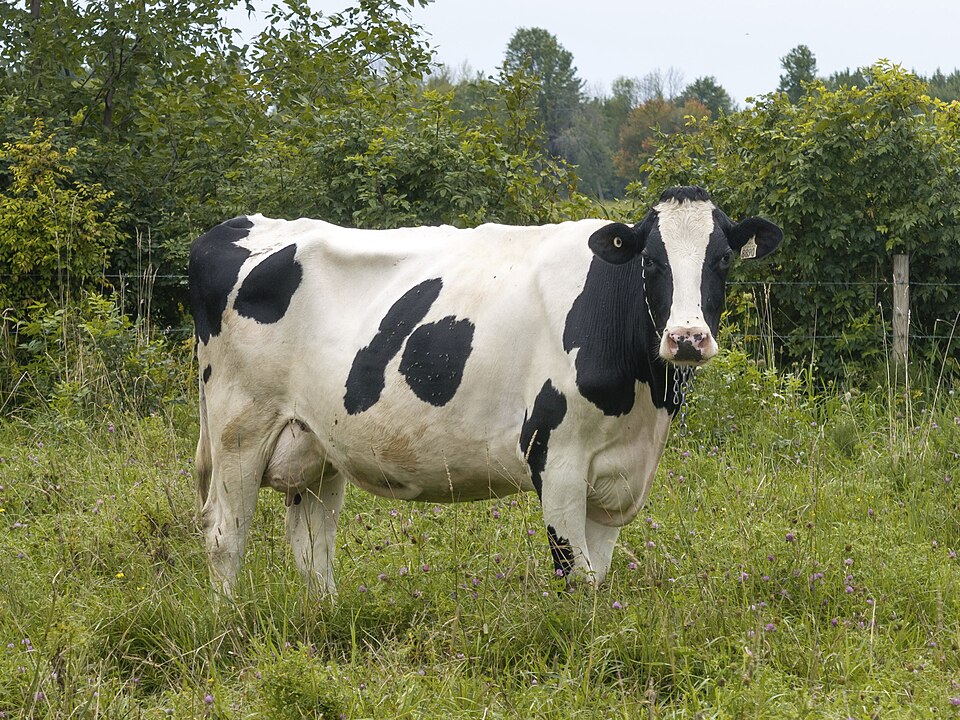
Holstein
The Holstein is a prominent dairy breed developed from cattle in the Netherlands and northern Germany. Large black-and-white patches are typical, but red-and-white Holsteins also occur.
Read the guide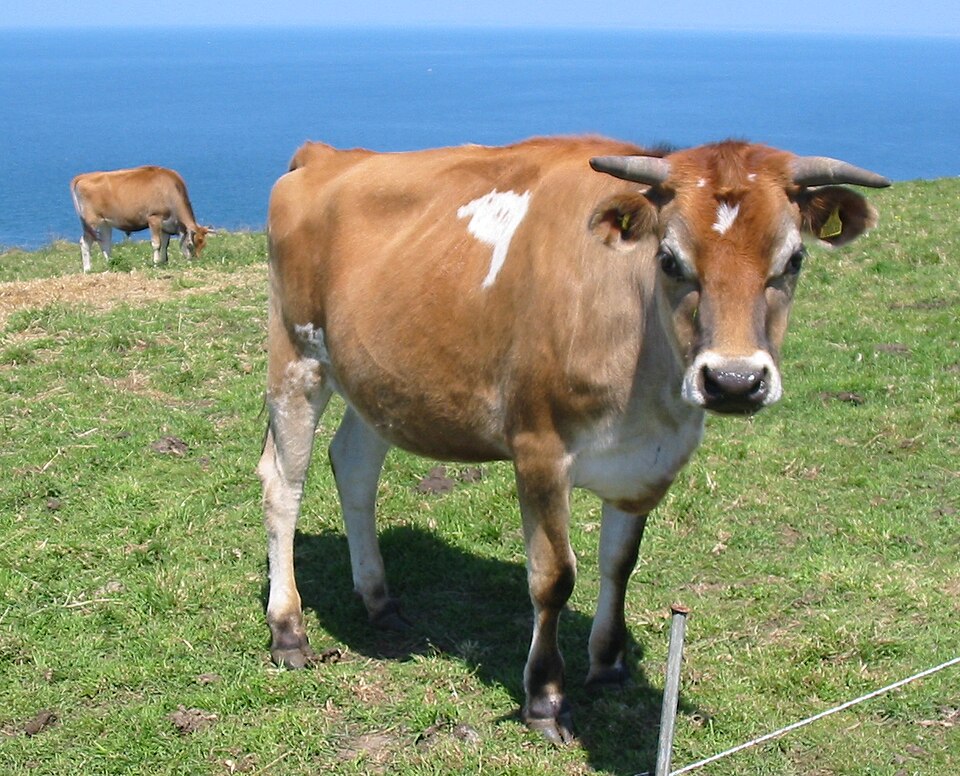
Jersey
The Jersey is a dairy cattle breed originating on Jersey in the English Channel. Dairying uses it for its build and milk-composition characteristics, which differ from those of the Holstein. A relatively small dairy breed with coats from fawn to dark brown and a pale border around the muzzle.
Read the guide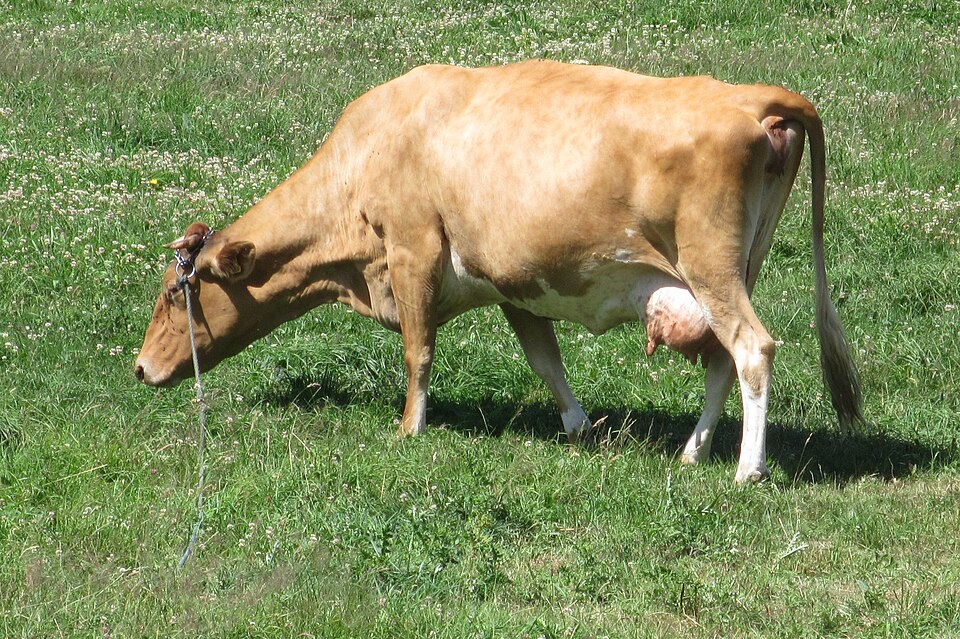
Guernsey
The Guernsey is a dairy cattle breed developed on Guernsey in the English Channel. Despite sharing an island-based naming pattern, it is a separate breed from the Jersey. Fawn-and-white markings are common, and the yellowish color of the milk is explained in relation to beta-carotene.
Read the guide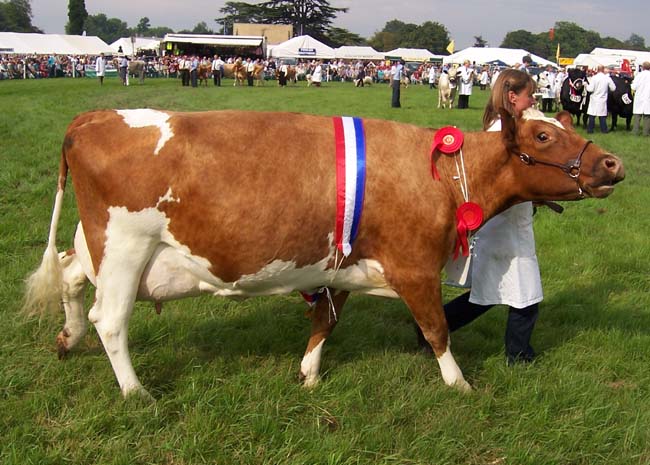
Ayrshire
The Ayrshire is a dairy breed developed in the Ayr region of Scotland. It spread to dairying in a variety of environments. Red or brown patches appear on white, and some individuals have horns.
Read the guide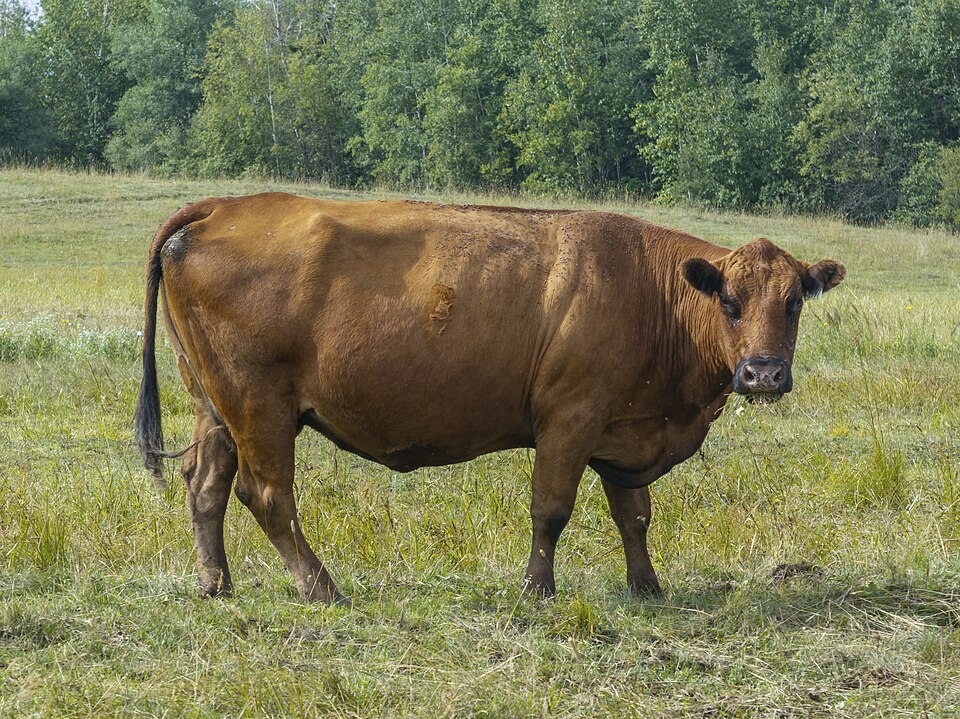
Dexter
The Dexter is a small-bodied cattle breed originating in Ireland. It was used for the dual purposes of milk and meat. A small body with black, red or dun coats. Lines differ in leg length; this does not simply mean cattle as small as calves.
Read the guide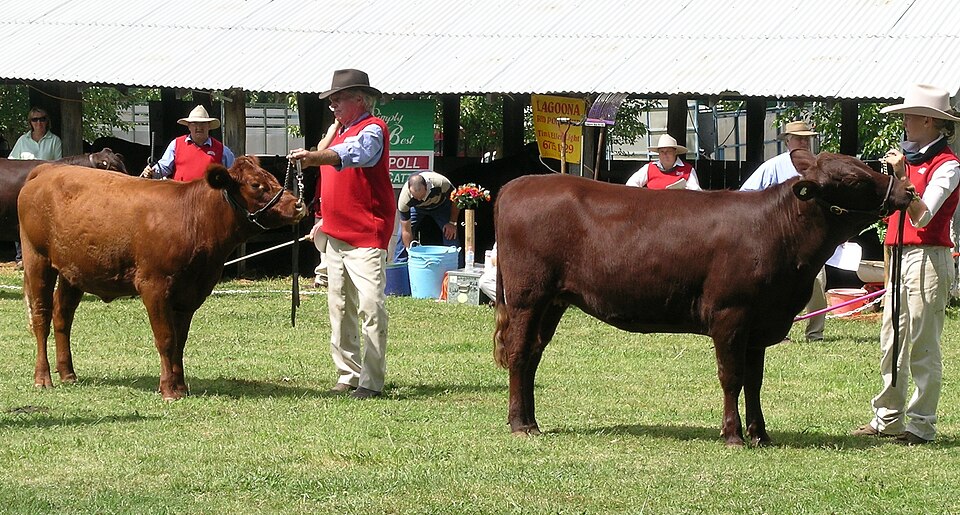
Red Poll
The Red Poll is a dual-purpose breed developed from cattle in Norfolk and Suffolk, Britain. It was used for both milk and meat production. A red coat and naturally hornless form are typical. Poll in the name relates to this hornless feature.
Read the guide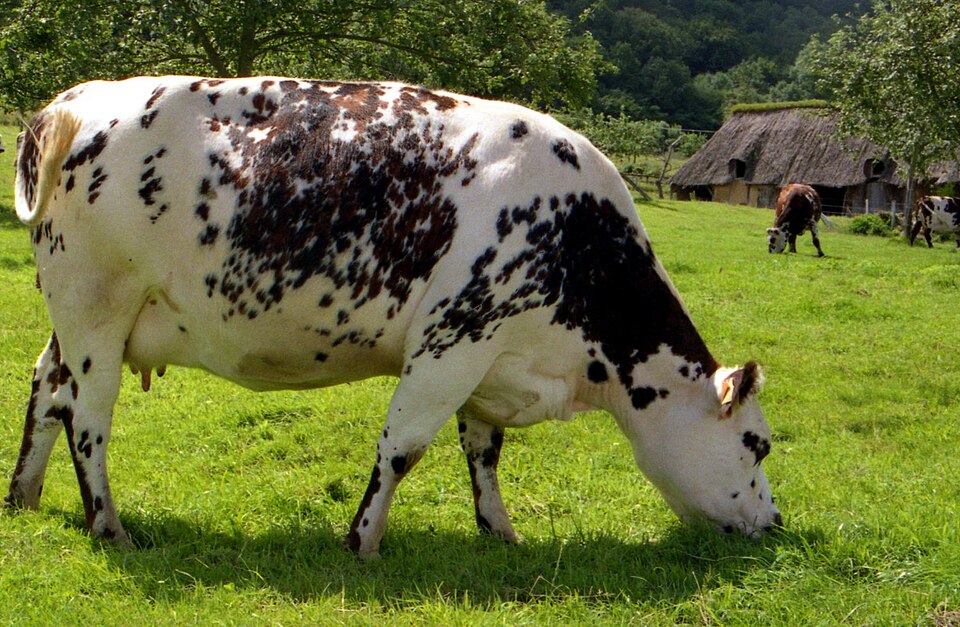
Normande
The Normande is a dual-purpose cattle breed developed in Normandy, France. Improvement has considered both dairy and meat production. Red or brown markings on white and frequently dark patches around the eyes are typical.
Read the guide