
Traditional Cattle and Other Bovids
This group explores traditional domestic cattle breeds alongside distinct bovids such as yaks, water buffalo and bison. They are not all breeds of domestic cattle, nor are all wild animals. Each entry distinguishes domestic and wild populations, classification and regional uses.
Published animal profiles
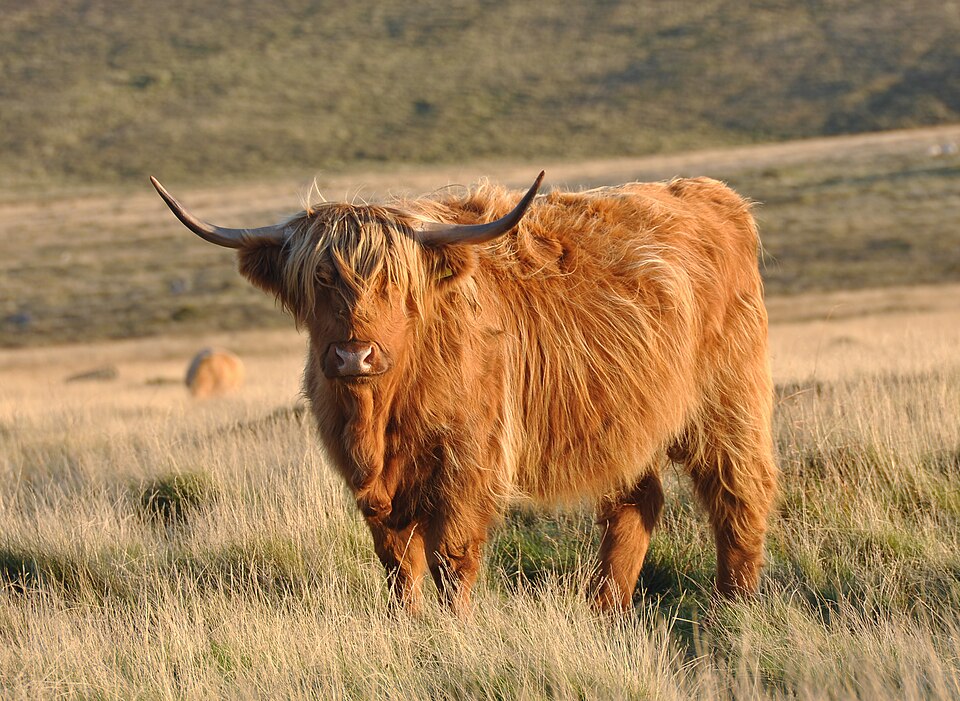
Highland cattle
Highland cattle are a traditional domestic cattle breed developed in Scotland’s uplands and western islands. Long outer hair, a thick undercoat, hair over the forehead and long horns are prominent.
Read the guide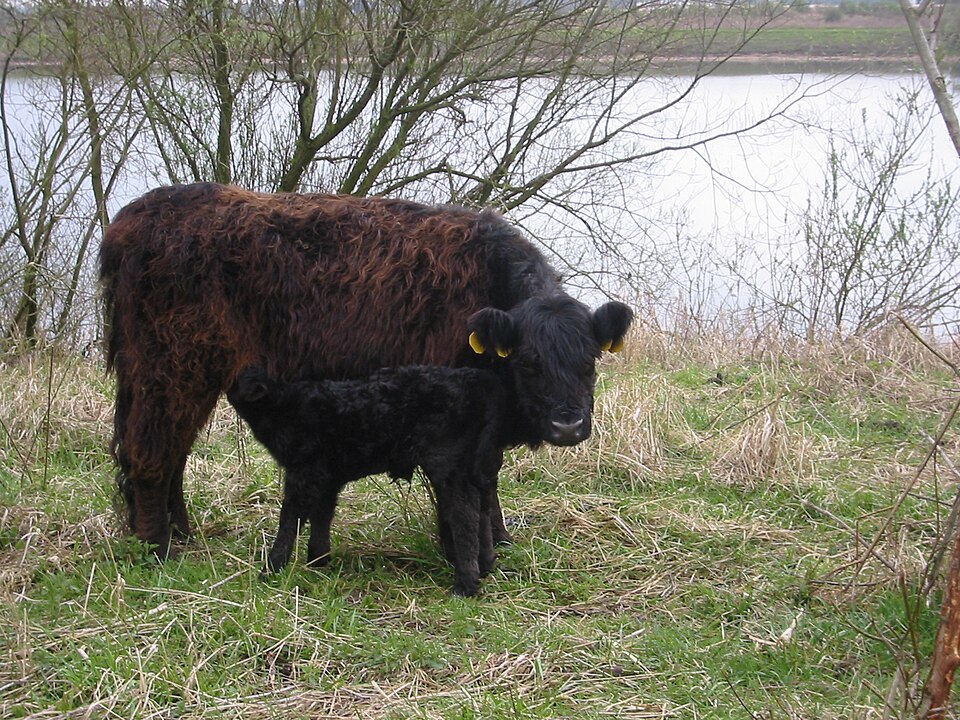
Galloway
The Galloway is a beef breed originating in southwestern Scotland. It relates to the white-belted Belted Galloway, but the registered populations are distinguished. A thick coat and a naturally hornless form are characteristic. Red or dun individuals occur as well as black.
Read the guide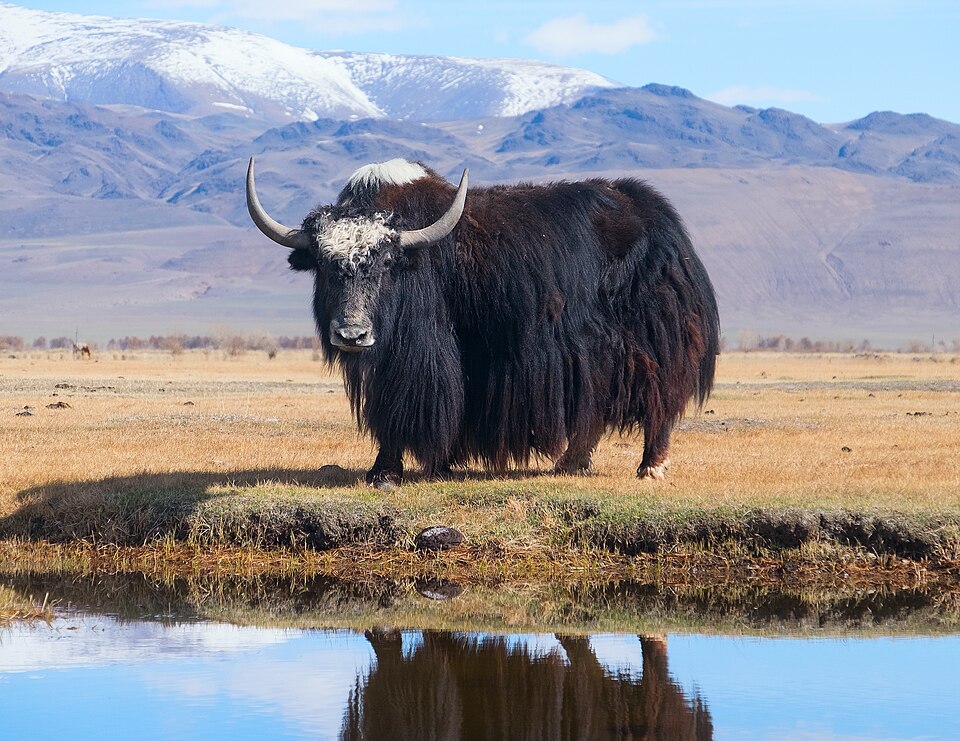
Yak
Yaks are high-altitude bovids; domestic and wild yaks are distinct. Calling them a breed of ordinary European domestic cattle is inaccurate. Long hair, a thick body, short legs and horns are characteristic. The hanging coat protects the body in cold environments.
Read the guide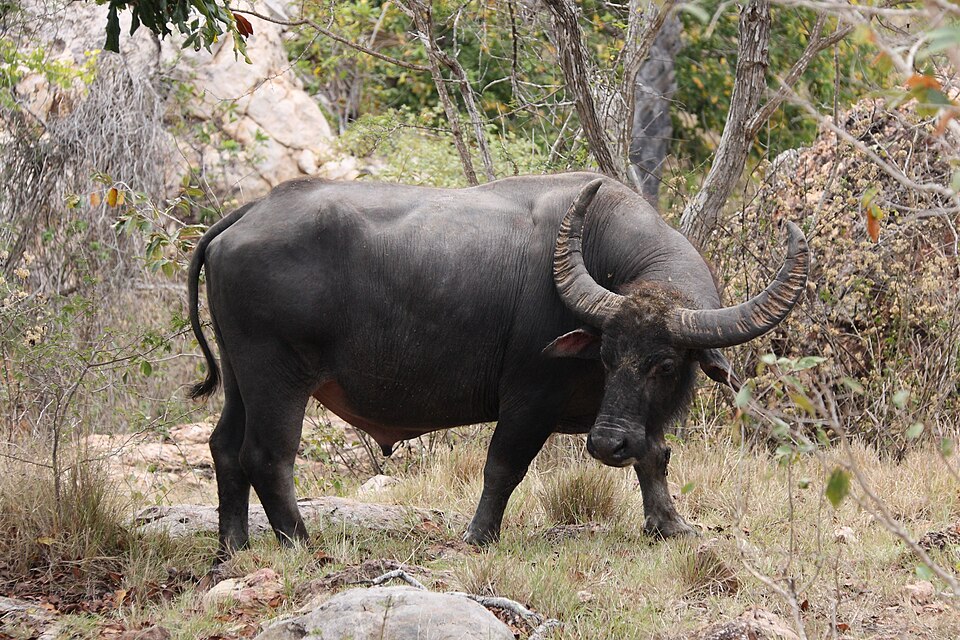
Water buffalo
Water buffalo are domesticated animals of the Bubalus lineage, with river and swamp forms distinguished. They are different animals from American bison and African buffalo. A large body, curved horns and relatively sparse hair are characteristic, with differences between river and swamp forms.
Read the guide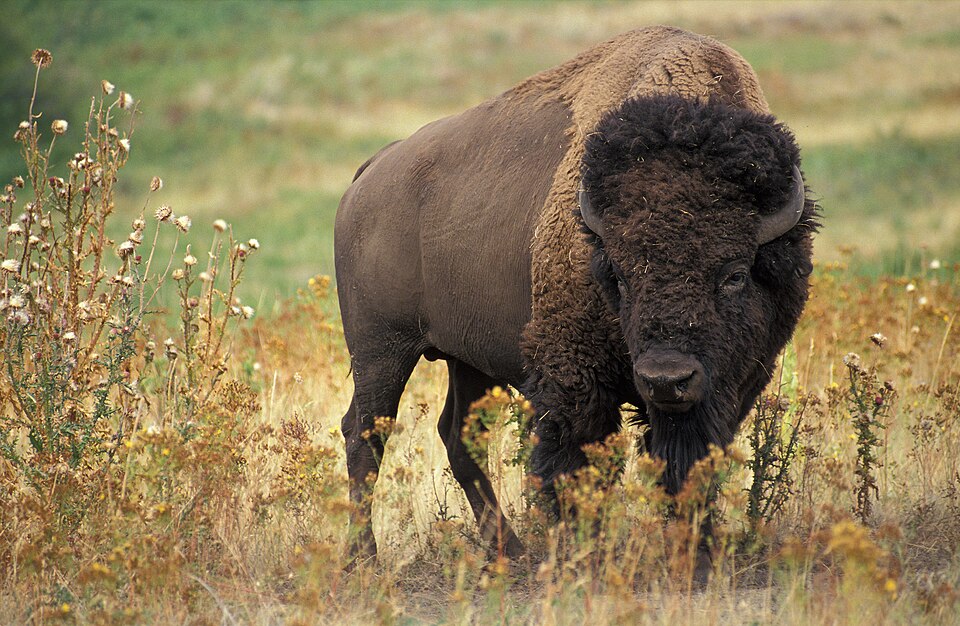
American bison
The American bison is a wild member of the cattle family from North America. It should be understood as a separate species rather than placed among domestic cattle breeds. High shoulders, thick hair on the forequarters and short curved horns are characteristic. Differences in hair and build between front and rear are conspicuous.
Read the guide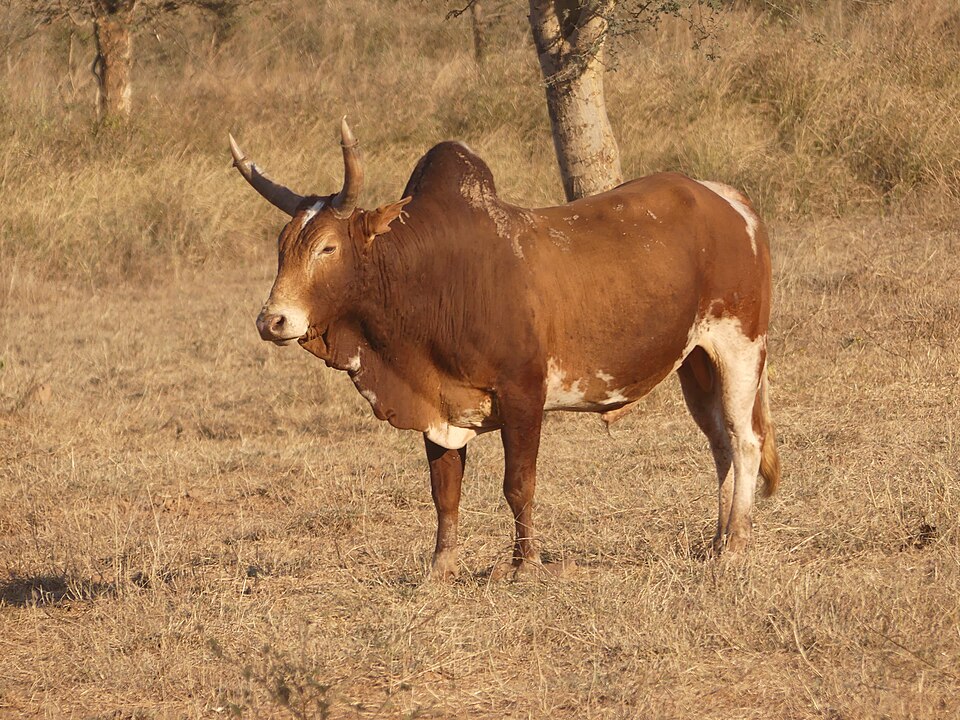
Zebu
Zebu refers to groups of humped domestic cattle of South Asian ancestry. Many breeds, including Brahman and Nelore, draw on this ancestry, so the term differs from one specific breed name. A hump near the shoulders, loose skin beneath the neck and relatively large ears are typical. Size and coat color vary by breed.
Read the guide