
Pterosaurs, marine reptiles and synapsids
Explore pterosaurs, marine reptiles and synapsids, which must be distinguished from dinosaurs. Living in the same period or looking similar in reconstructions does not place animals in the same taxonomic group. Each profile distinguishes actual fossils and skeletons from reconstructions of the animal’s appearance in life.
Published animal profiles
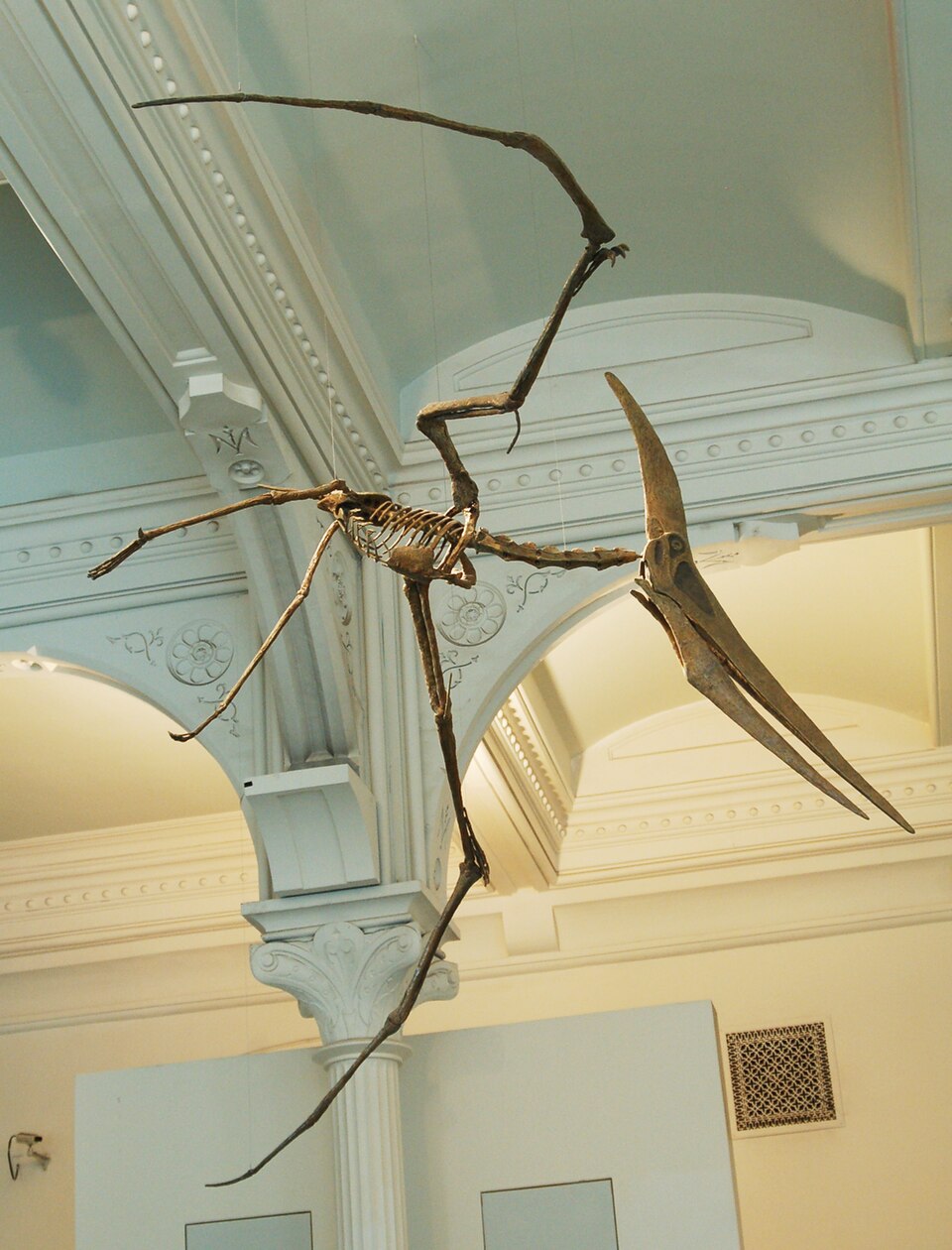
Pteranodon
A coastal pterosaur with a toothless bill and wing membranes. Pteranodon was a pterosaur rather than a dinosaur; distinguish these flying reptiles of the same era from a type of dinosaur.
Read the guide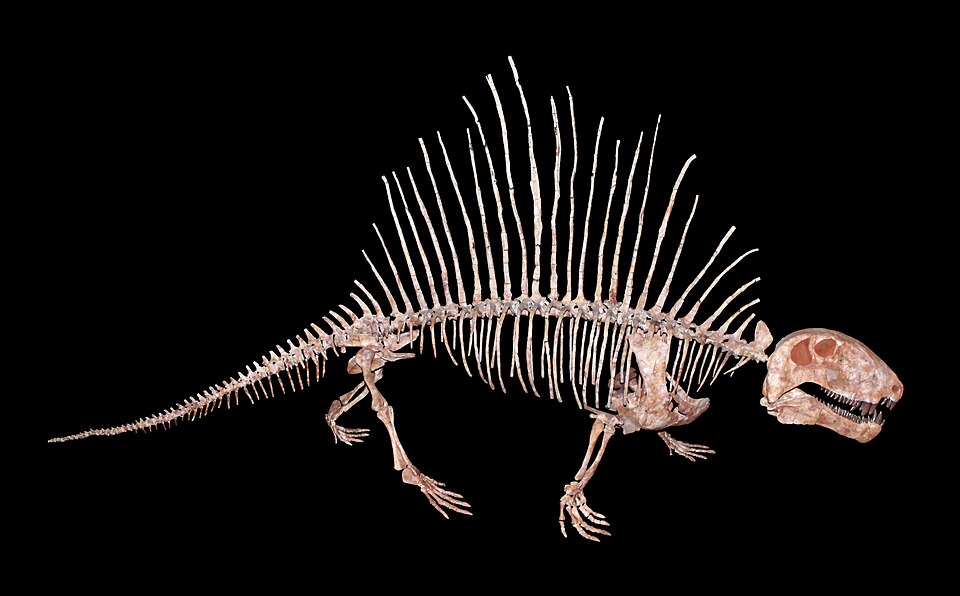
Dimetrodon
A pre-dinosaur synapsid should not be grouped with Spinosaurus merely for its sail. Dimetrodon lived in the Permian and was a distant relative within the broader mammal lineage, rather than a dinosaur or pterosaur.
Read the guide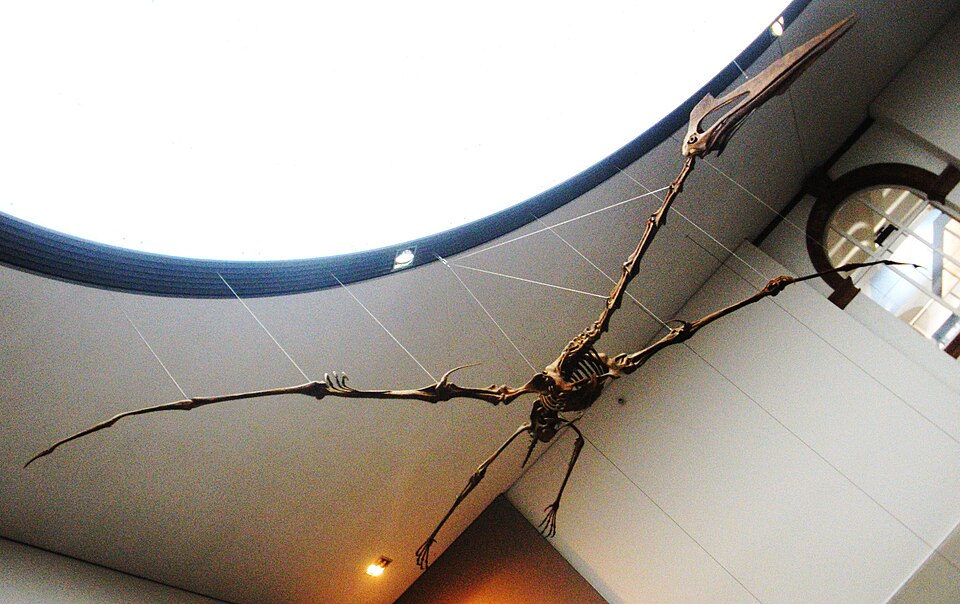
Quetzalcoatlus
A giant azhdarchid pterosaur with a long neck and bill. Quetzalcoatlus is known as a large flying animal, rather than a sauropod dinosaur.
Read the guide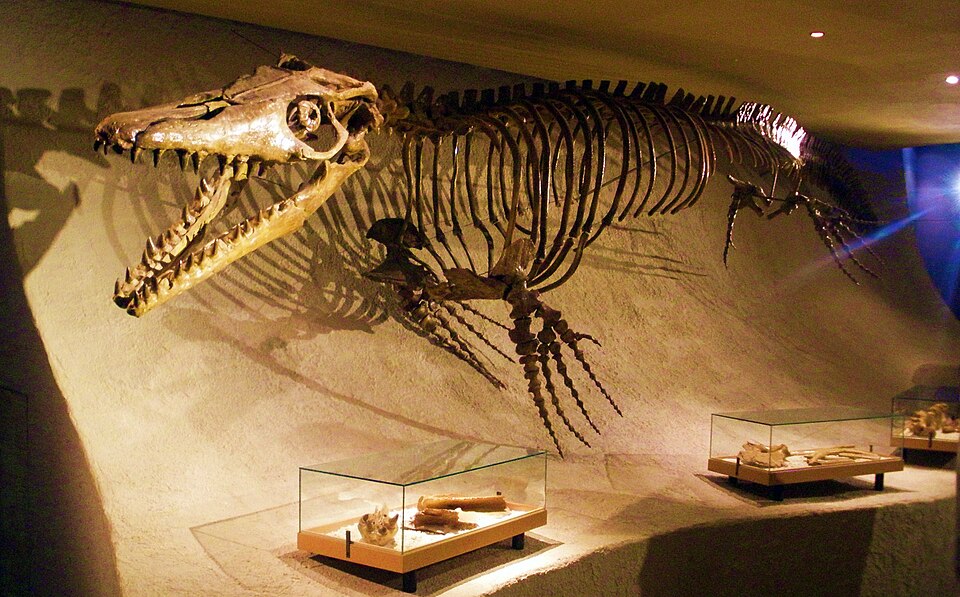
Mosasaurus
Reading jaws and flippers in fossils of a marine reptile rather than a dinosaur. Mosasaurus belonged to sea-adapted mosasaur reptiles, distinct from dinosaurs and modern whales.
Read the guide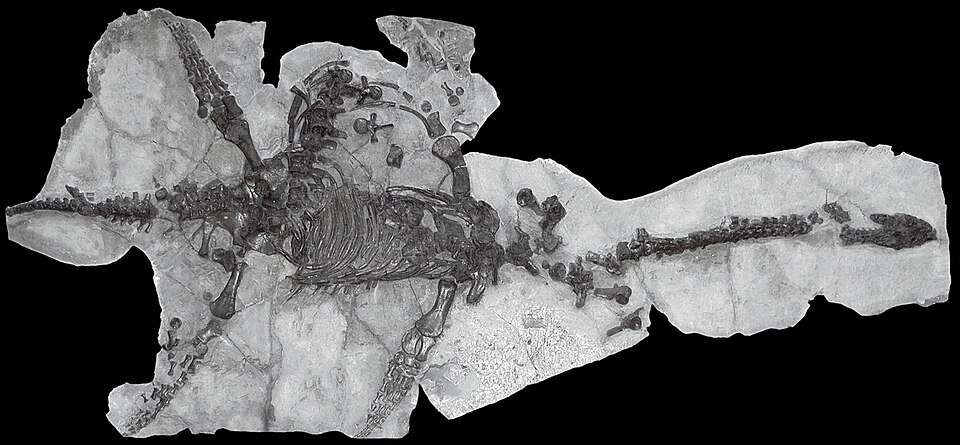
Plesiosaurus
A long neck and four flippers: distinguishing a genus from all plesiosaurs. Plesiosaurus is a genus of marine reptiles, narrower than the entire plesiosaur group.
Read the guide