
Other Livestock and Wild Mammals
Discover animal classification and ways of life while distinguishing livestock from wildlife.
Published animal profiles
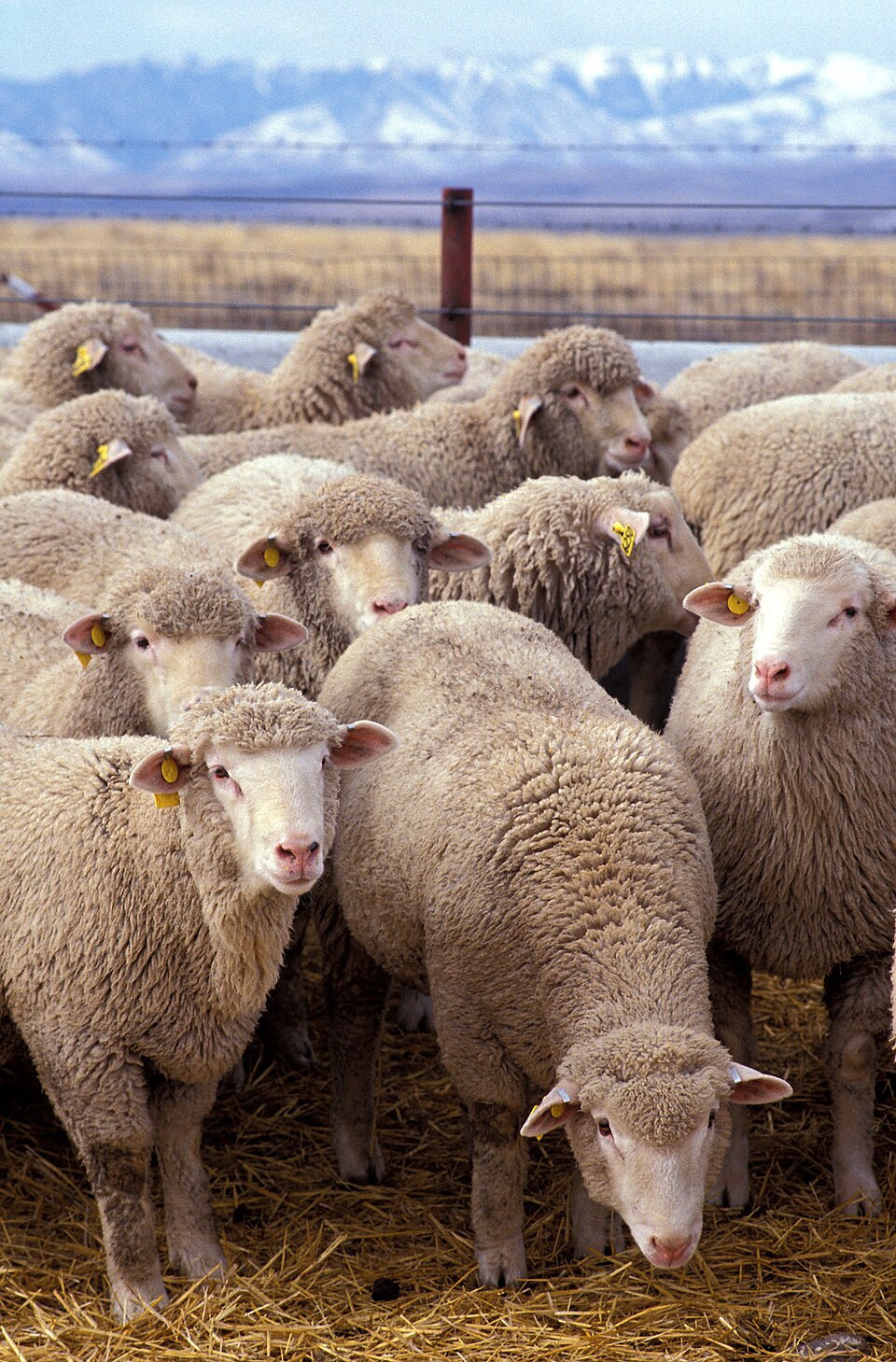
Domestic sheep
Social grazing animals understood through more than their wool. Long domestication and selective breeding have produced many sheep breeds used for meat, milk and fleece.
Read the guide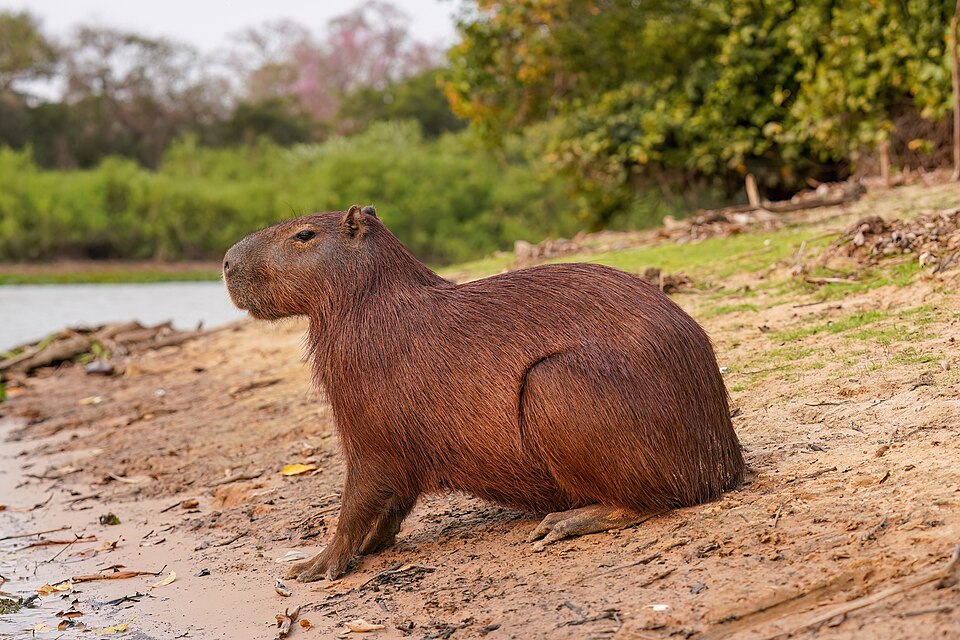
Capybara
A large social rodent moving between water and grassland. The capybara is a large South American rodent within the same broad lineage as guinea pigs.
Read the guide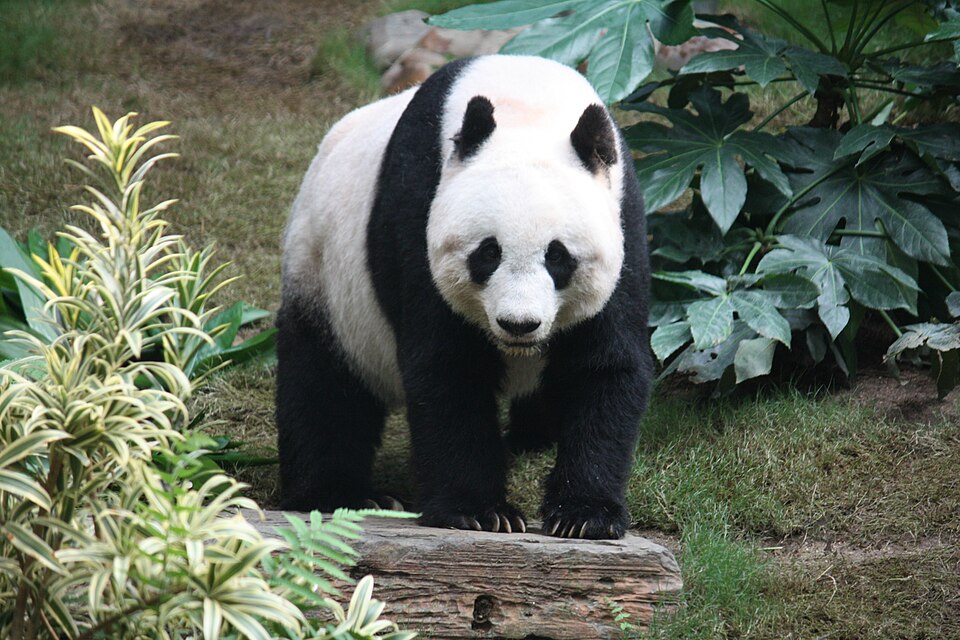
Giant Panda
A black-and-white bear adapted to bamboo forests. The giant panda belongs to the bear family and uses bamboo as its principal food in China's mountain forests.
Read the guide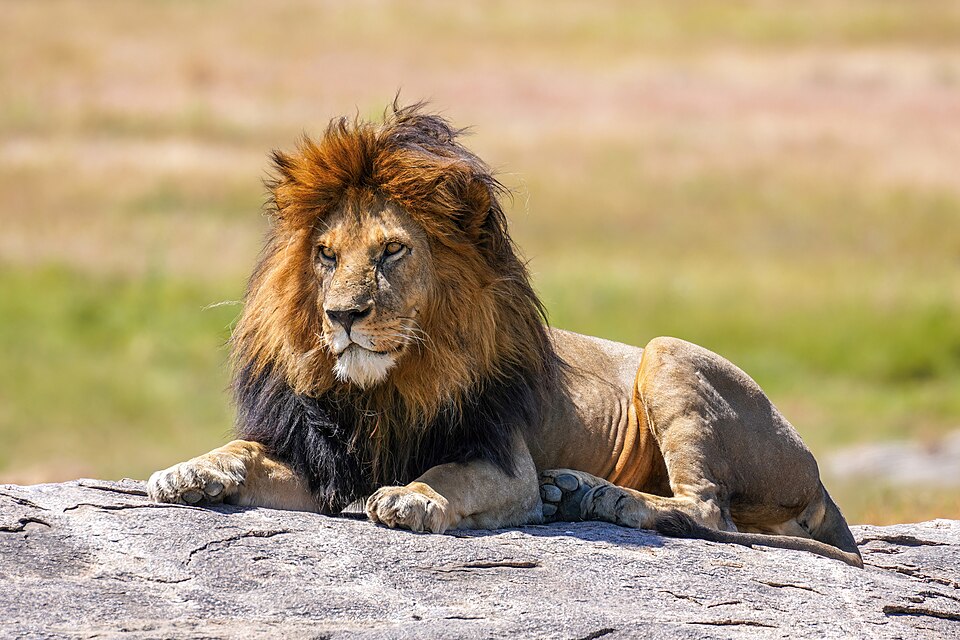
Lion
Understanding lions through pride relationships and open habitats. The lion is a large cat with wild populations remaining in various parts of Africa and a limited area of western India.
Read the guide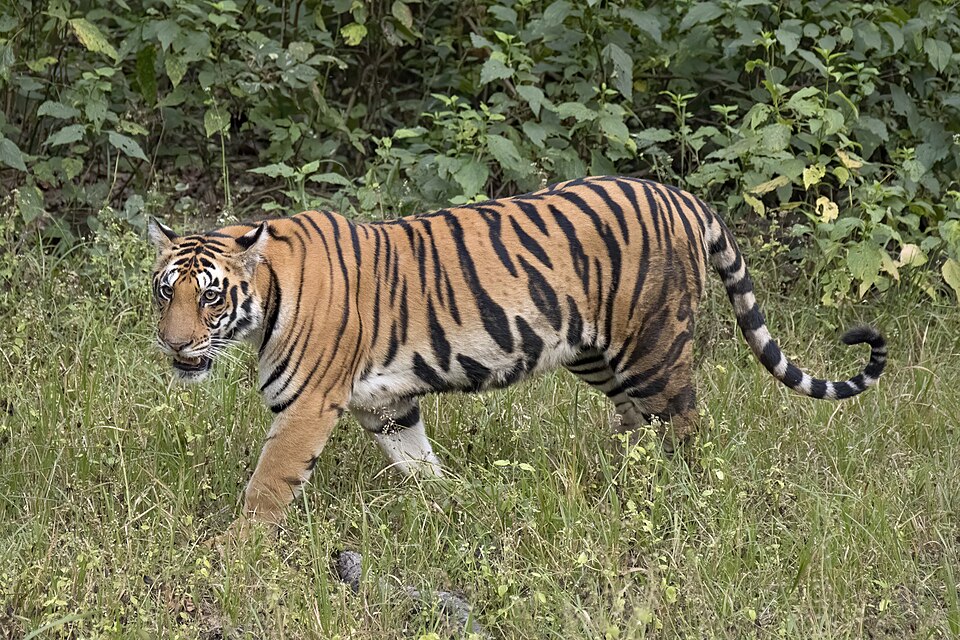
Tiger
Understanding stripes and solitary life within the tiger's habitat. The tiger is a large cat adapted to various Asian environments.
Read the guide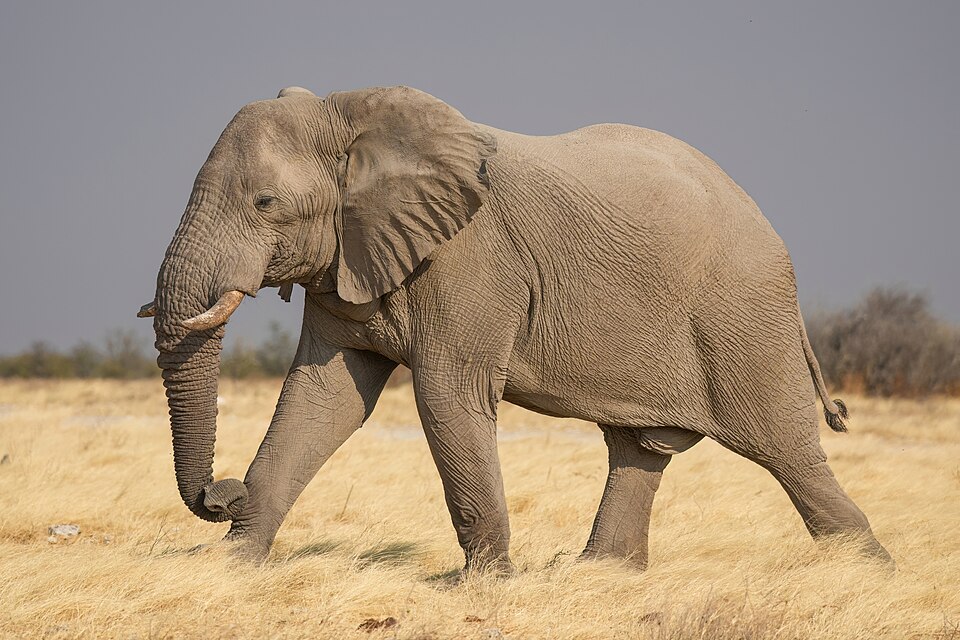
Elephant
The African savanna elephant explores its environment with large ears and a trunk. Elephants include Asian elephants and distinct African lineages.
Read the guide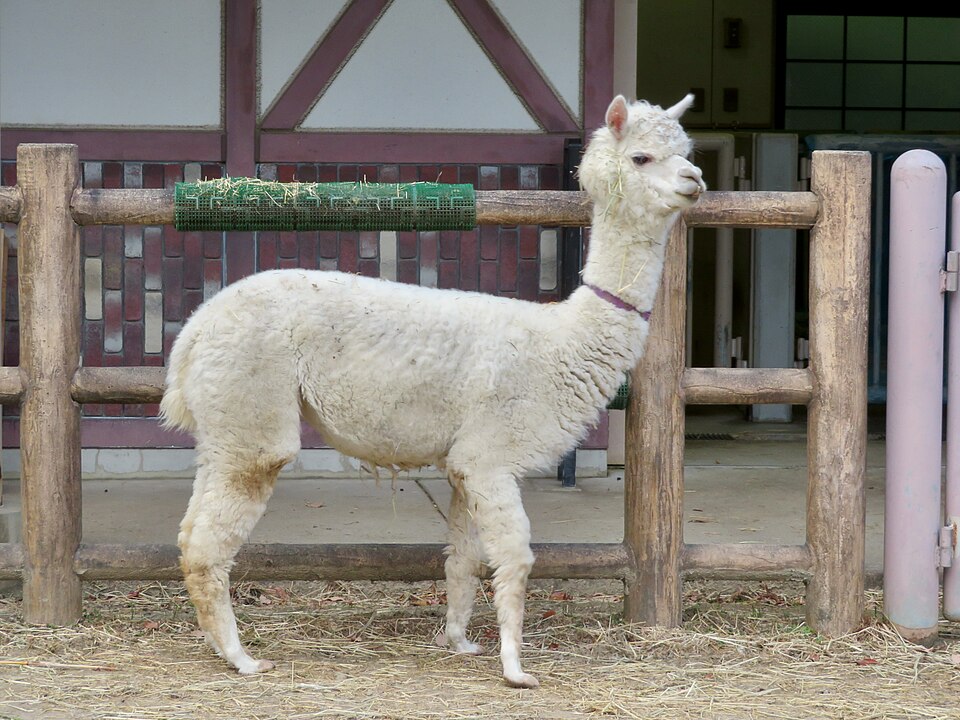
Alpaca
An alpaca with highland domestic life and varied fiber. The alpaca is a camelid domesticated in the South American Andes.
Read the guide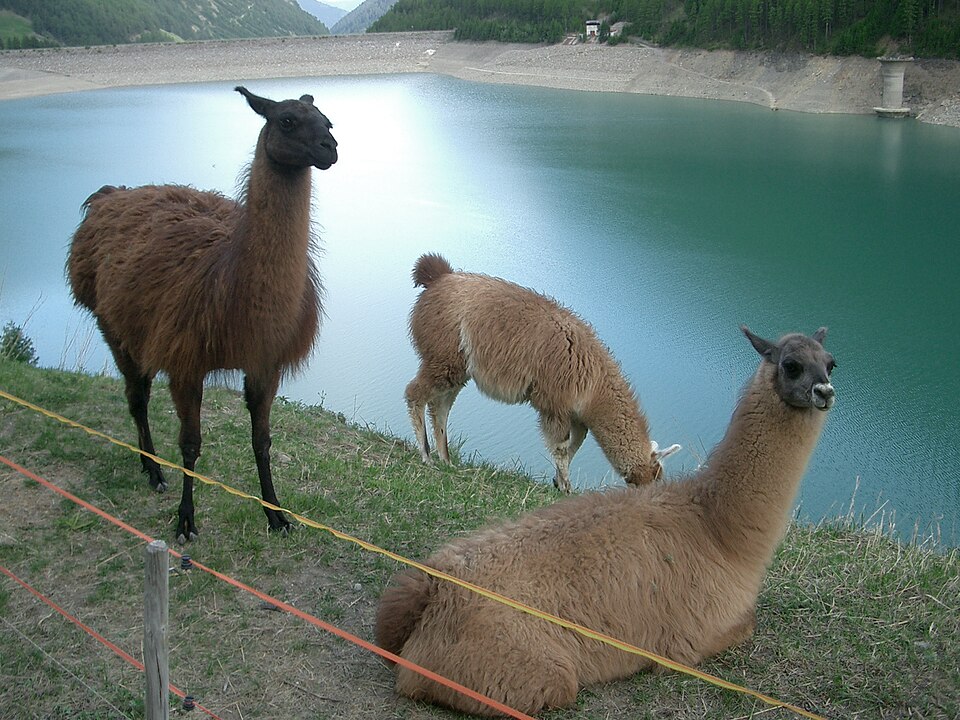
Llama
Andean livestock with a history of travel and carrying loads. The llama is a camelid domesticated in the South American Andes, historically connected with transport, fiber and varied everyday resources.
Read the guide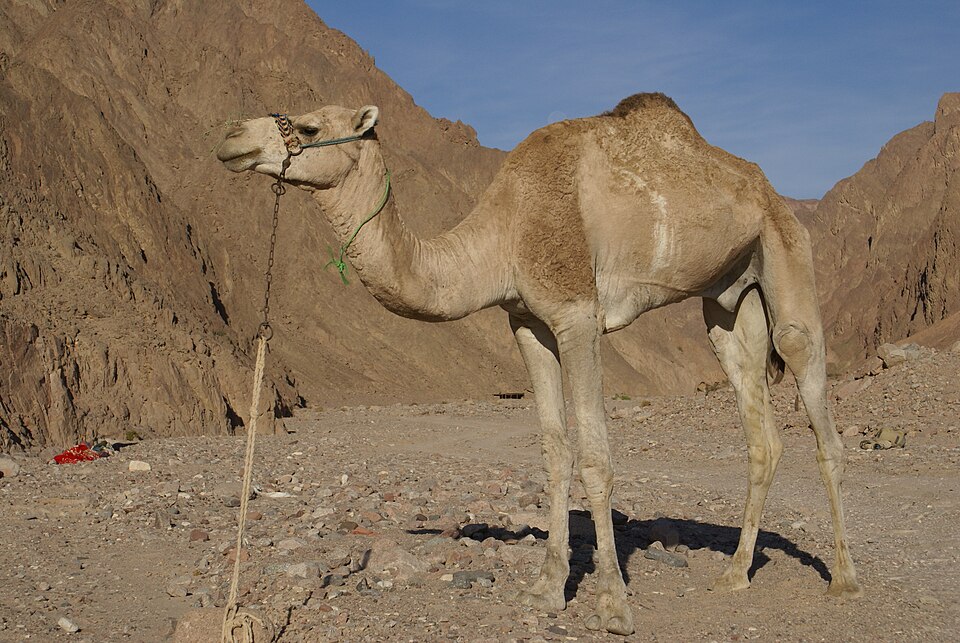
Dromedary camel
A dromedary storing fat in one hump. Camels include one-humped dromedaries and two-humped Bactrian lineages.
Read the guide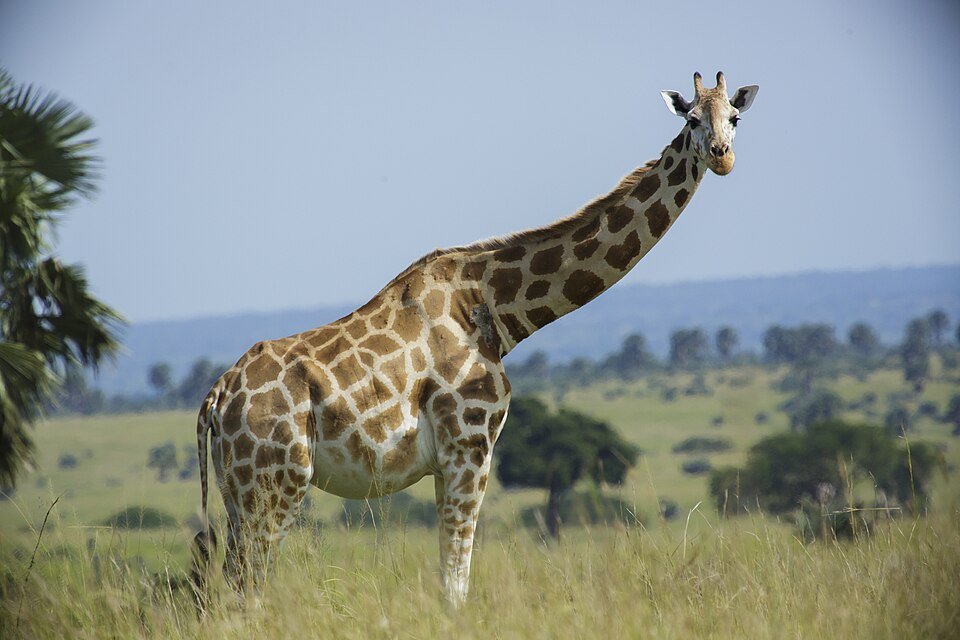
Northern giraffe
A giraffe connecting a long neck with feeding on high leaves. Giraffe classification includes sources treating giraffes as one broad species and research separating several species.
Read the guide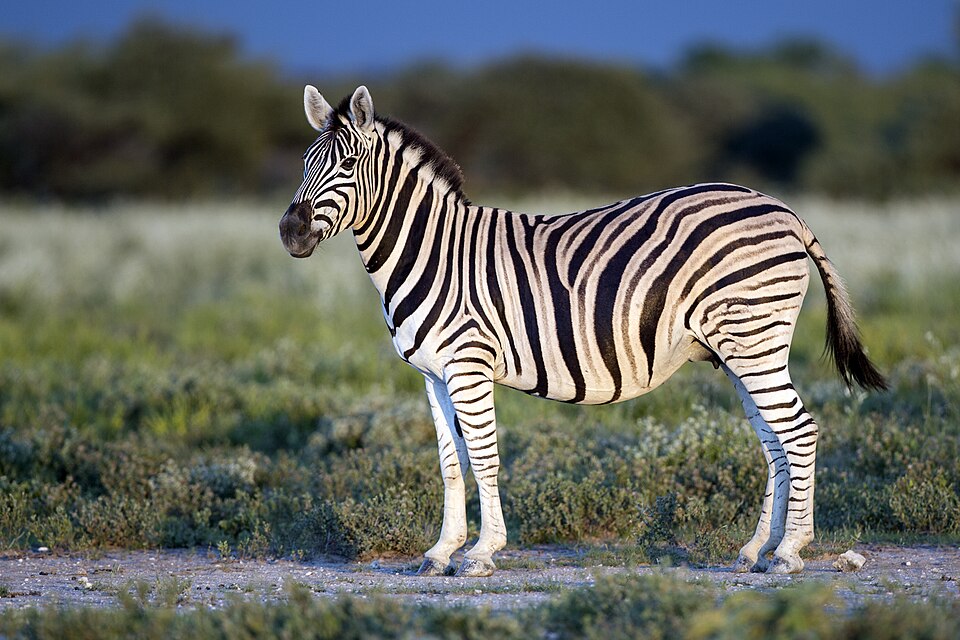
Plains zebra
The social life of plains zebras beyond their stripes. Zebras include separate species such as plains, mountain and Grevy's zebras.
Read the guide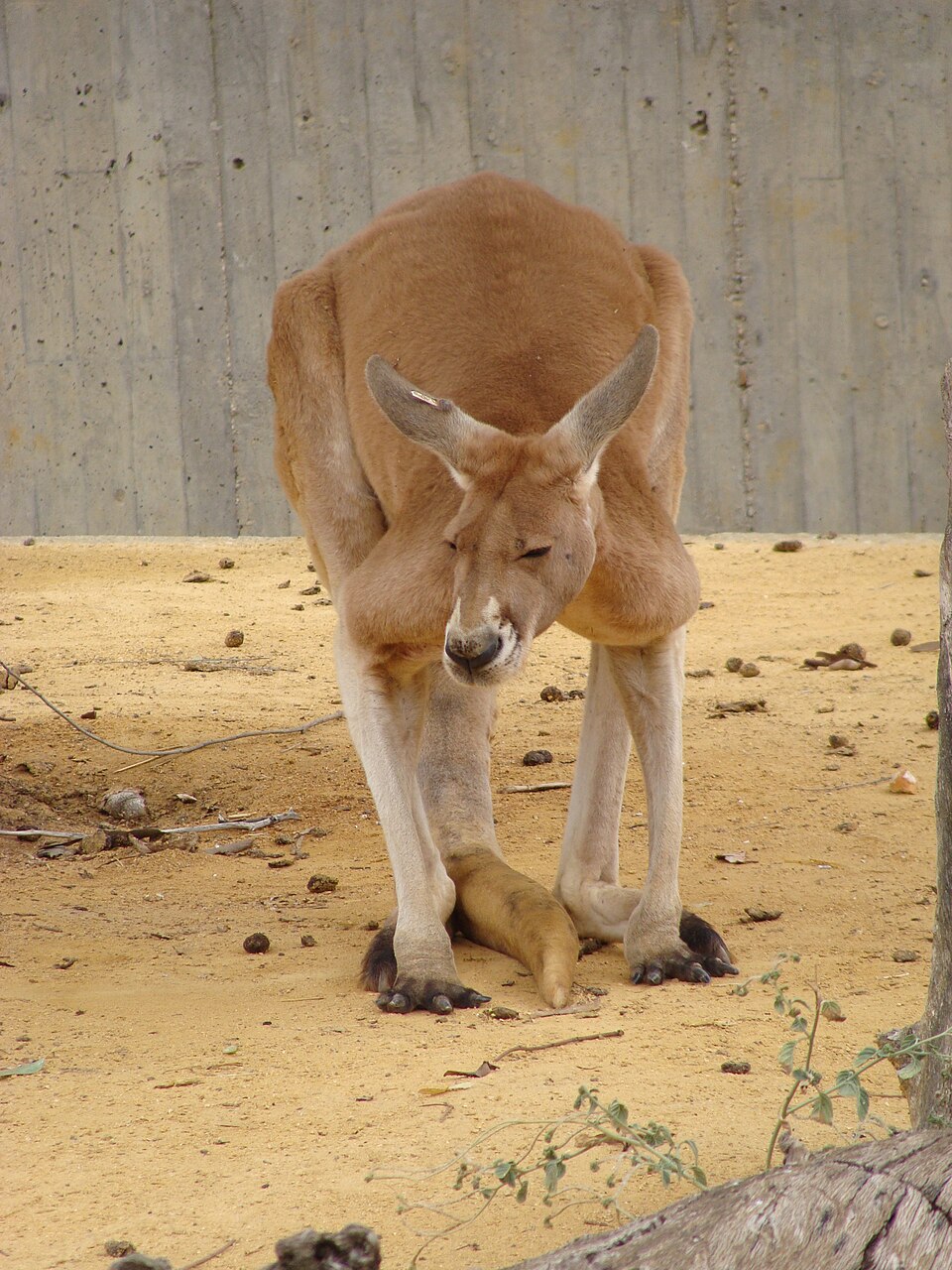
Red kangaroo
A red kangaroo's tail used in both hopping and slow walking. Kangaroo names several species; this page uses the red kangaroo as its example.
Read the guide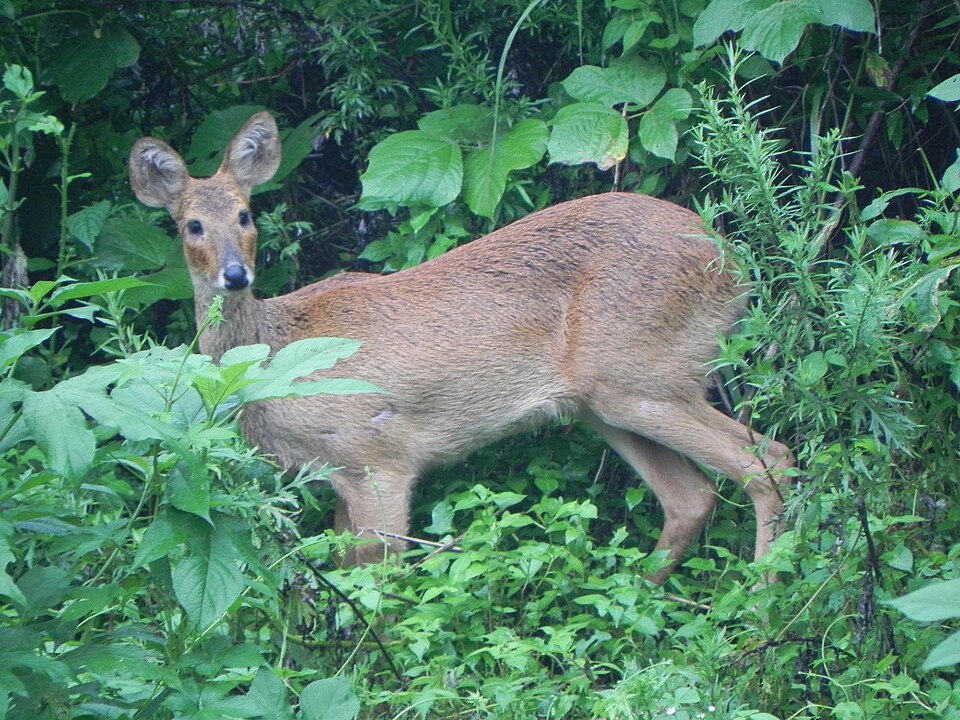
Water Deer
Explore water deer classification, grassy habitats and features that distinguish them from roe deer. Learn about the life of this herbivore with canine teeth and ways to observe it without disturbance.
Read the guide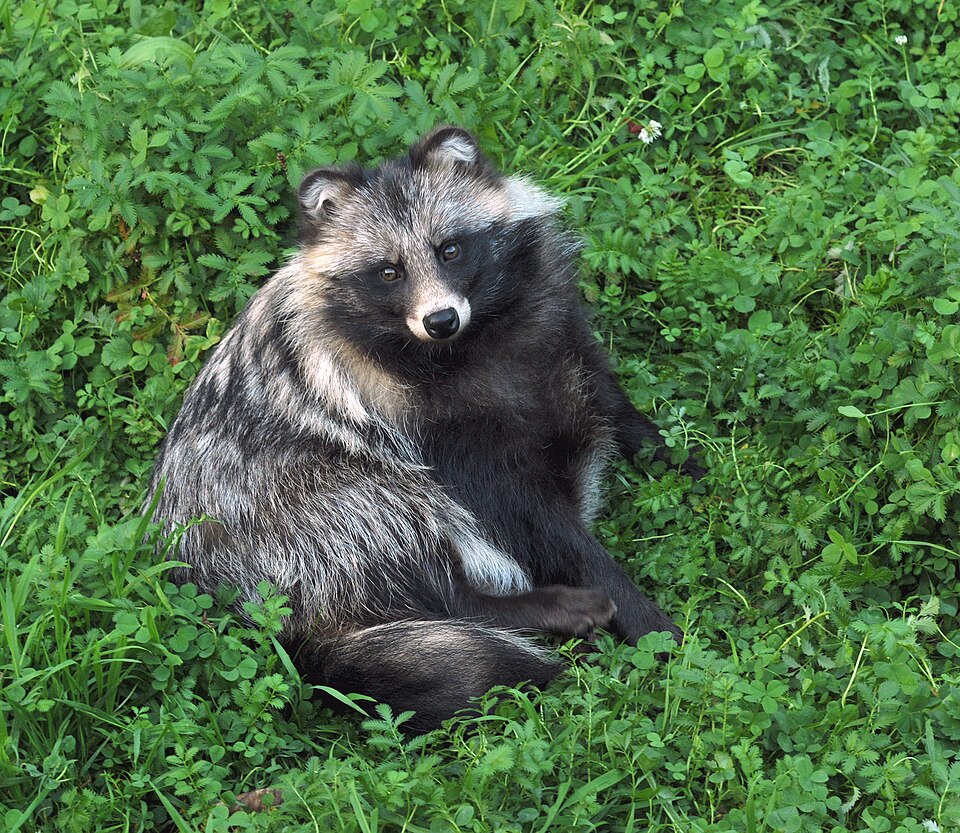
Common Raccoon Dog
The common raccoon dog is a member of the dog family, distinct from the raccoon. Explore its facial markings, body shape, varied foods and shelters, and principles for observing it near people.
Read the guide